|
During the
Christmas holidays
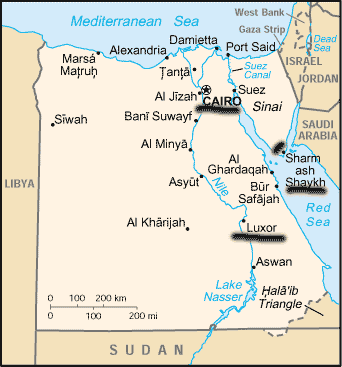
we traveled to Egypt, visiting Cairo,
Luxor, and Sharm el Sheikh. The
fabulous, overcrowded Egyptian museum in Cairo is packed with magnificent
statues and objects from the Phaironic period (2500 B.C. - 300 B.C). We
then visited the ancient capital of Memphis and the pyramids at Giza.
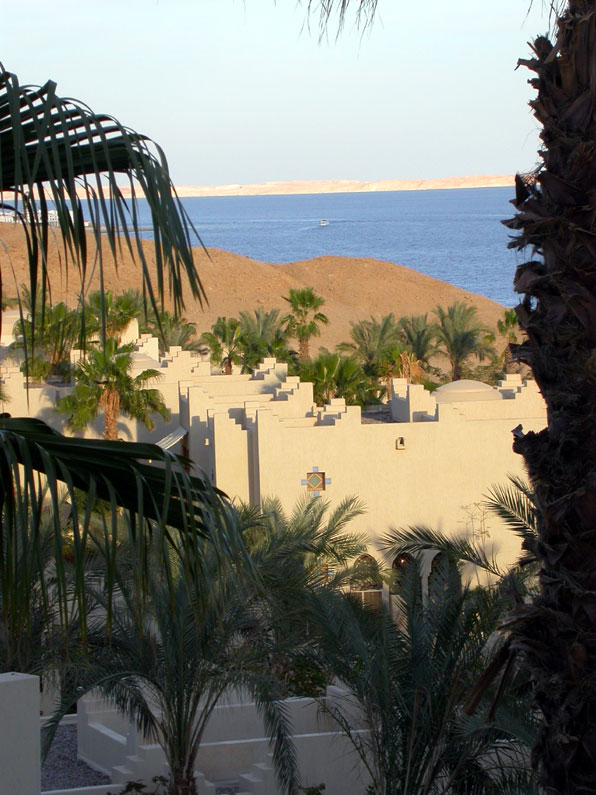
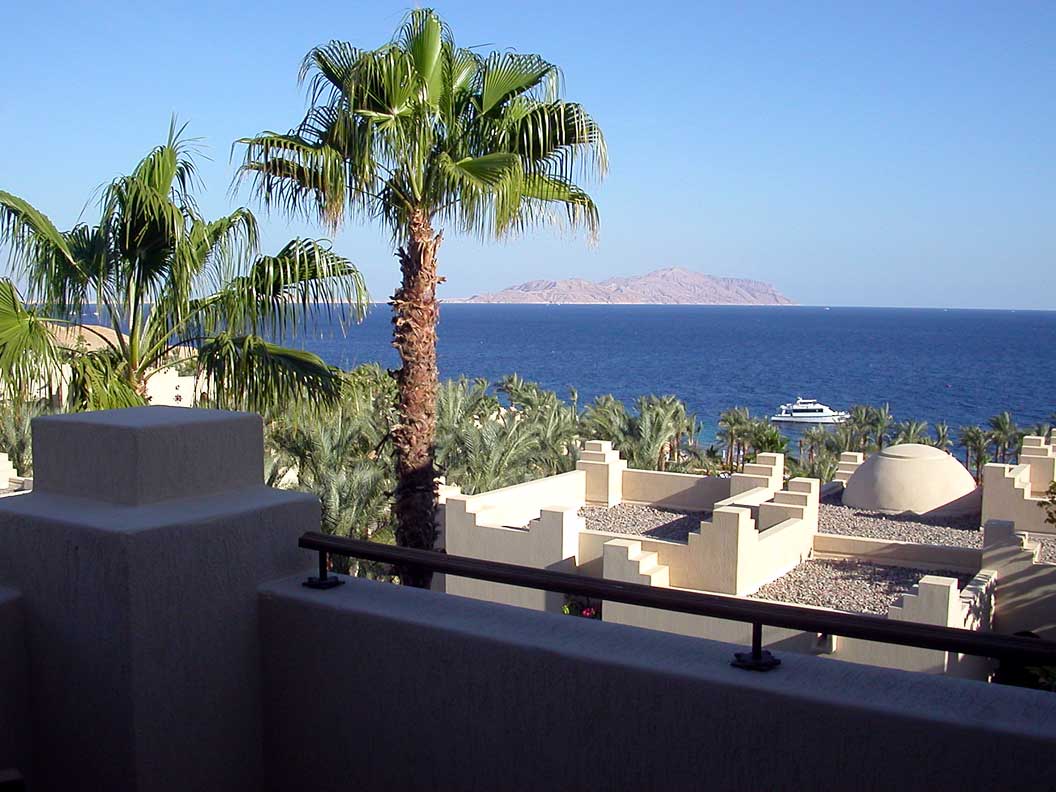
After Cairo we visited Luxor, and then Sharm el Sheik on the Red Sea.
Christmas is a high point of the Egyptian tourist season, but we saw virtually
no other Americans. Amidst many Europeans and Asians, this made me wonder
whether the political mood and behaviour inside the U.S. will lead not only to
political isolationism but also greatly diminished civilian tourism.
The War on Terrorism cannot be domestically justified, it seems, without
constant reiterations of the terror risks in the muslim countries, Europe, and
Asia (as victims or initiators)- a pretty broad swatch of the world! If
Americans withdraw to the "Fatherland", how can we understand other cultures and
whether, or how, our values can intersect with theirs?
As for
us, we found the Egyptian people to be strongly polite and friendly.
Poverty is very visible and all infrastructure is poor, but there was more
visible tolerance of the Coptic (Christian) minority than we expected, and no
visible intolerance of westerners. We had no understanding of the founding
nature of the ancient and modern state - that is, it was based from 3000 years
ago on the integration of two separate peoples (northern mediterranean and
southern african), and thus the culture and state mechanisms all understand
diversity (while grappling with the endless difficulties, of course). As a
simple example, there were, from 2500BC onward (mostly) two capital cities, one
in Memphis (near Cairo, in the "north"), and one in Luxor ("south"), so the
rulers could recognize the two ethnicities.
|
 |